Preparing for a Film Production: Equipment Essentials
A structured approach to selecting cameras, lighting, audio, and support gear for professional film projects
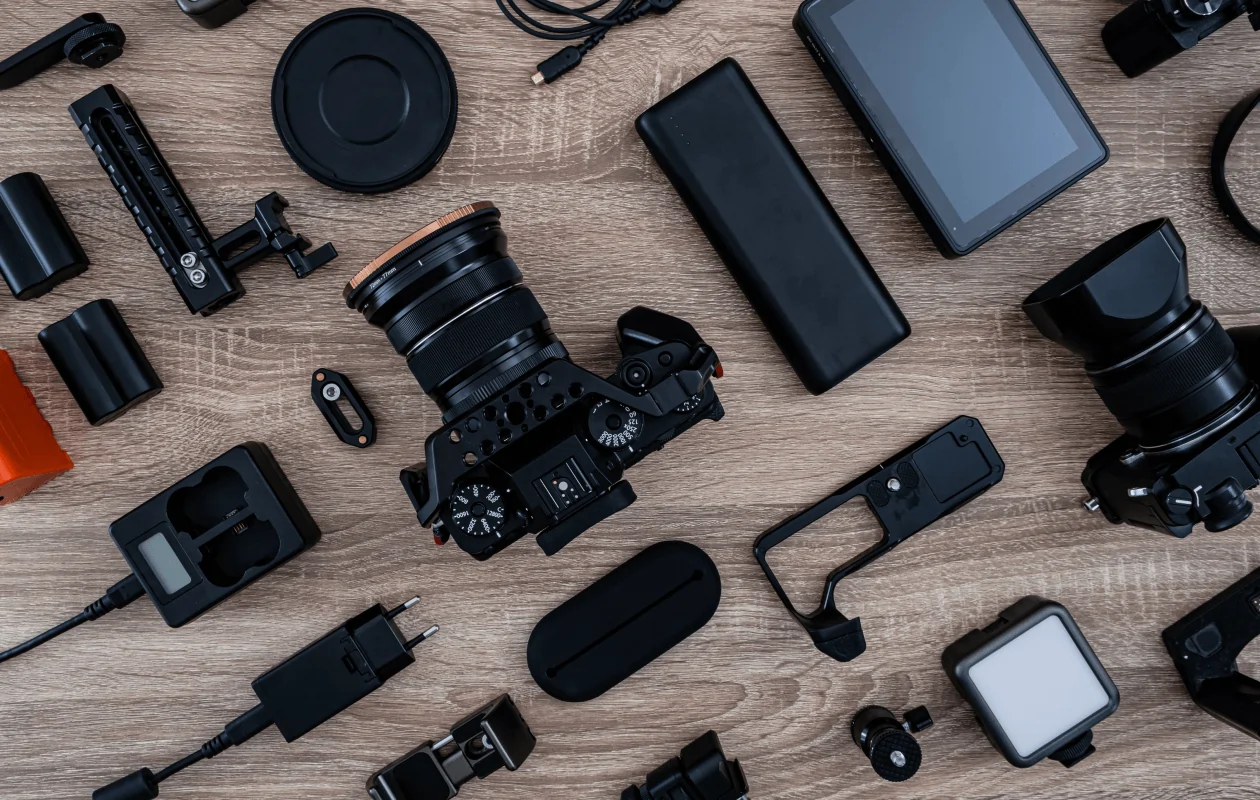
Successful film production begins long before the first frame is recorded. Preparation defines efficiency, consistency, and technical reliability throughout the shoot. Whilst creative direction shapes the narrative, equipment selection determines whether that vision can be executed smoothly under real-world conditions.
This guide outlines the essential categories of equipment required for professional film production. Rather than focusing on brand comparisons or trends, the emphasis is placed on practical requirements, workflow planning, and coordination between departments.
Defining Production Requirements
Before selecting any equipment, clarify the scope of the project. Is it a short narrative film, a commercial advertisement, a documentary interview, or a corporate production? Each format places different demands on cameras, lighting, audio systems, and mobility.
Location conditions also influence preparation. Controlled studio environments allow predictable setups, whereas on-location filming introduces variable lighting, weather considerations, and spatial limitations. Defining these parameters early prevents unnecessary equipment adjustments during production.
Camera Systems and Recording Formats
Professional film production typically requires cameras capable of high dynamic range, flexible codecs, and reliable recording durations. Resolution selection depends on delivery requirements, but 4K has become a practical standard for many productions, providing detail and post-production flexibility.
Recording format plays a critical role. Log profiles or RAW recording preserve more information for colour grading, though they require larger storage capacity and structured data management. For projects with tight deadlines, high-quality compressed codecs may offer a practical balance between flexibility and efficiency.
Battery systems and media compatibility should be evaluated carefully. Extended shooting days demand sufficient power management strategies, including spare batteries or external power solutions.
Lens Selection for Narrative and Commercial Work
Lenses influence storytelling as much as lighting or composition. Prime lenses are often favoured for their optical consistency and precise depth-of-field control. Common focal lengths such as 24mm, 35mm, 50mm, and 85mm provide a flexible narrative range.
Zoom lenses may be advantageous in dynamic shooting environments where repositioning is limited. Regardless of choice, maintaining visual consistency across scenes is essential. Mixing lens types without careful consideration can introduce subtle differences in contrast and colour rendering.
Filmmakers should also evaluate focus systems. Manual focus control with follow-focus mechanisms remains standard in narrative production, ensuring deliberate and repeatable focus transitions.
Lighting Equipment and Power Planning
Lighting establishes atmosphere and continuity. LED panels, Fresnel fixtures, and soft light sources each serve distinct roles within production setups. Portable battery-powered LEDs offer flexibility for location work, while higher-output fixtures may be necessary for studio interiors.
Power distribution planning is critical. Calculating total load requirements prevents circuit overloads and ensures safe operation. Extension cables, distribution boards, and backup power options should be included in preparation checklists.
Lighting modifiers such as diffusion panels, flags, reflectors, and grids refine the quality of illumination. Documenting lighting diagrams assists in maintaining visual continuity across multiple shooting days.
Audio Recording Essentials
Clear audio is equally important as visual clarity. Shotgun microphones, lavalier systems, and dedicated field recorders form the foundation of professional sound capture. Relying solely on on-camera microphones is rarely sufficient for dialogue-focused productions.
Monitoring audio in real time through headphones allows immediate identification of interference, background noise, or level inconsistencies. Wind protection and acoustic considerations should be addressed during location scouting.
Redundancy in audio recording—such as dual-system recording—adds reliability, particularly during critical interviews or single-take performances.
Stabilisation and Support Systems
Camera movement requires controlled support. Tripods with fluid heads enable smooth pans and tilts, essential for interviews and controlled framing. For dynamic movement, gimbals and shoulder rigs provide stability while maintaining flexibility.
In larger productions, dollies or slider systems introduce deliberate cinematic motion. Each movement device should align with narrative intent rather than being used purely for visual effect.
All support systems must be tested before filming begins. Mechanical adjustments and balancing take time, and preparation reduces on-set delays.
Data Management and Backup Strategy
Film production generates substantial data volumes. Establishing a clear data management workflow protects project integrity. Dual memory card recording, daily backups, and organised file structures are essential.
Using labelled storage drives and maintaining a log of recorded scenes improves post-production efficiency. Responsibility for data handling should be clearly assigned to a dedicated crew member.
Pre-Production Checklists and Testing
Comprehensive checklists prevent oversight. Equipment testing should include recording sample footage, verifying colour settings, syncing audio systems, and confirming firmware updates. Identifying potential issues before production reduces costly interruptions.
Scheduling rehearsal time allows crews to adjust lighting, camera angles, and blocking. Technical rehearsal ensures equipment integrates seamlessly with creative direction.
Rental Considerations and Coordination
Many productions rely on equipment rental services to access specialised gear. Rental planning should include collection schedules, inspection upon pickup, and confirmation of compatibility between components.
Understanding rental terms, insurance responsibilities, and return procedures prevents logistical complications. Professional rental providers often assist with equipment recommendations tailored to specific production types.
Conclusion
Preparing for film production involves more than assembling a collection of devices. It requires structured planning, coordination between departments, and an understanding of how each component contributes to the final result. Camera systems, lighting arrangements, audio capture, stabilisation tools, and data management must function together as a cohesive workflow.
By approaching equipment preparation methodically and allowing time for testing, production teams create an environment where creative decisions can unfold without technical distraction. Thorough preparation supports efficiency, clarity, and consistent execution throughout the filming process.