Understanding Lighting Setups for Professional Shoots
A practical overview of studio lighting principles, equipment choices, and structured setups for consistent results
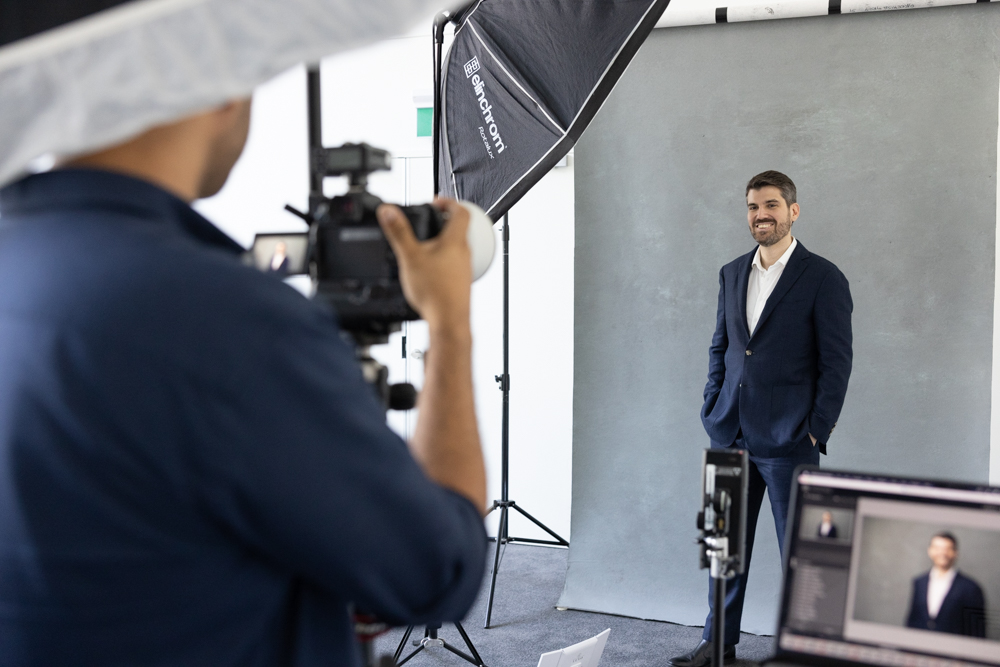
Lighting is often described as the foundation of professional photography and film production. While modern cameras provide impressive dynamic range and sensitivity, the character of an image is shaped primarily by how light is introduced, controlled, and balanced. In studio environments, lighting becomes less about reacting to conditions and more about designing them intentionally.
This article examines structured lighting setups commonly used in professional shoots. Rather than focusing on trends or stylistic shortcuts, we will explore core principles: direction, intensity, quality, colour temperature, and control. A thoughtful lighting arrangement supports technical clarity, enhances subject form, and maintains visual consistency across sessions.
The Role of Light in Visual Structure
Light defines shape through highlights and shadows. Without directional lighting, subjects appear flat and dimensionless. In professional shoots, the goal is rarely maximum brightness; instead, it is controlled contrast. A well-placed key light establishes form, while supporting lights refine or soften shadow areas.
Understanding the difference between hard and soft light is essential. Hard light, produced by small or undiffused sources, creates crisp shadows and emphasises texture. Soft light, generated by larger diffused sources such as softboxes or umbrellas, produces gradual shadow transitions and smoother surface rendering. Neither approach is inherently superior; each serves different visual intentions.
Professional lighting decisions begin with asking a practical question: what should the viewer notice first? Once that priority is defined, lighting can guide attention accordingly.
The Three-Point Lighting Framework
The three-point lighting setup remains a standard foundation for studio portraiture and interview production. It consists of three primary elements: key light, fill light, and back light.
Key Light: The main light source shaping the subject. Typically positioned at a 45-degree angle from the subject and slightly elevated, it creates depth and structure. Adjusting its height and distance directly influences shadow length and intensity.
Fill Light: Placed opposite the key light, the fill reduces shadow contrast without eliminating it entirely. The fill should be less intense than the key, preserving natural dimensionality while preventing excessive darkness.
Back Light (Rim Light): Positioned behind the subject, this light separates them from the background by creating a subtle outline along edges. In film production, this separation enhances clarity, particularly when subjects wear dark clothing against darker backgrounds.
Although widely used, three-point lighting is not rigid. Adjusting ratios between lights changes the mood. A stronger key-to-fill ratio creates dramatic contrast, while balanced ratios produce softer, more neutral results.
High-Key and Low-Key Approaches
Professional shoots often adopt either high-key or low-key lighting structures depending on the visual objective.
High-Key Lighting: Characterised by bright, evenly distributed illumination with minimal shadows. Frequently used in commercial product photography and corporate portraits, high-key setups convey clarity and openness. Achieving this look requires careful background lighting to eliminate unwanted gradients.
Low-Key Lighting: Defined by deeper shadows and stronger directional contrast. This approach emphasises form and texture, commonly used in cinematic portraits or dramatic scenes. Precision in light placement becomes critical to avoid losing detail in shadow areas.
Both methods demand deliberate exposure control. Metering tools and waveform monitors in video production help maintain consistency across frames.
Lighting Modifiers and Control Tools
Modifiers shape the behaviour of light. Softboxes enlarge the apparent size of the source, creating smoother shadows. Umbrellas distribute light broadly, making them suitable for general illumination. Beauty dishes offer a balance between soft diffusion and directional focus, commonly used in fashion photography.
Grids and barn doors restrict light spill, preventing unintended illumination of backgrounds or surrounding areas. Flags and reflectors assist in subtractive lighting techniques, where reducing light becomes just as important as adding it.
Professional environments rely on consistency. Marking floor positions and documenting modifier distances allows repeatable setups for recurring clients or product lines.
Continuous Lighting vs Flash Systems
Continuous LED lighting has become increasingly common in both photography and film production. These systems allow real-time visualisation of shadows and highlights before capture. Adjustable colour temperature models simplify matching ambient light conditions.
Flash or strobe lighting provides higher peak output, often required for freezing motion or achieving narrow apertures at lower ISO settings. In studio still photography, strobes remain widely used due to their power efficiency and consistent colour rendering.
Choosing between continuous and flash systems depends on workflow preferences, subject movement, and intended output medium. Many studios maintain both systems to accommodate varied project requirements.
Background and Environmental Lighting
Background lighting prevents subjects from blending into their surroundings. Even subtle gradients can add visual interest without distracting from the primary subject. Dedicated background lights or controlled spill from key lights achieve this effect.
Coloured gels introduce tonal variation when required. In professional settings, colour usage should support narrative or brand identity rather than overwhelm the composition.
Careful background lighting also minimises post-production correction, preserving efficiency in editing workflows.
Light Ratios and Measurement
Light ratio refers to the difference in intensity between key and fill lights. For example, a 2:1 ratio provides subtle modelling, while a 4:1 ratio creates more pronounced contrast. Professional photographers often use light meters to measure precise exposure differences rather than relying solely on camera previews.
Maintaining consistent ratios ensures continuity across multiple sessions. This consistency becomes particularly important for catalogue photography or interview series recorded over several days.
Practical Workflow Considerations
Professional shoots benefit from structured preparation. Setting up lights before subjects arrive allows time for adjustment and refinement. Test shots help evaluate shadow transitions, skin tones, and background balance.
Equipment safety should not be overlooked. Securing light stands with sandbags prevents accidental tipping. Cable management reduces hazards in studio environments where multiple power sources are in use.
Documenting setups through photographs or diagrams assists in recreating configurations efficiently for future projects.
Conclusion
Professional lighting is not about complexity for its own sake. It is about control, repeatability, and clarity of intention. Whether working on portrait sessions, product photography, or filmed interviews, understanding how light interacts with form and texture allows creative decisions to remain deliberate rather than accidental.
Structured lighting setups provide reliability across projects, enabling studios and production teams to maintain visual consistency. By focusing on foundational principles—direction, quality, ratio, and control—photographers and filmmakers develop adaptable systems that serve a wide range of professional requirements.